

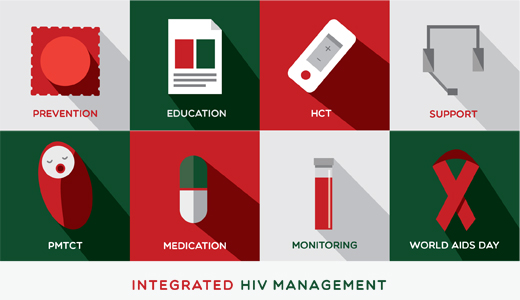
HIV/AIDS and TB are two of the most prevalent and deadly diseases in Zimbabwe with approximately 1.3 million people living with HIV/AIDS and over 30 000 new TB cases reported each year. These diseases not only have significant impact on the health and well-being of individuals but also pose a major challenge for workplaces across the country. Hence, managing HIV/AIDS at the workplace is one of the key priorities for the employers in the in the industry and the country as a whole. Managing HIV/AIDS and TB at the workplace is crucial for the health and safety of employees as well as for the productivity and overall success of businesses.
Employers have a responsibility to implement policies and programs that support the prevention, treatment, care of employees affected by the diseases. This can be achieved through rules and regulations. To achieve all these strategies, several statutes have been put in place such as the Labour Act [Chapter 28:01] as amended and its subsidiary regulations and other international regulations such as the SADC Model Law on HIV/AIDS.
Section 5 of the Labour Act protects employees or prospective employees against any form of discrimination including on the grounds of HIV/AIDS status.
Statutory Instrument 202 of 1998 provides key principles that should be observed by employers which also act as framework/guidelines in formulation of workplace policies on HIV/AIDS.
- One of the key principle for managing HIV/AIDS and TB at the workplace is to promote awareness and education programs among employees to reduce stigma and increase knowledge about prevention. This can help reduce stigma and discrimination and increase knowledge about prevention and treatment.
- The other key strategy/principle is to facilitate anti-retroviral therapy (ART) for employees living with HIV/AIDS. Offering support services and resources for individuals affected by HIV/AIDS such as support groups and mental health services.
- Providing access to voluntary HIV testing and counselling services for employees.
On TB management at the workplace it is important for the employers to promote TB awareness and education to increase early detection and treatment as this disease is a communicable disease that may affect others and co-workers, hence affecting productivity.
The other strategies to manage TB at the workplace include;
- Implementing infection control measures to prevent the spread of the TB in the workplace.
- Providing access to TB screening and diagnostic services for employees.
- Ensuring timely treatment employees employees diagnosed with TB to prevent further transmission.
- Educating employees on the importance of completing TB treatment to reduce the risk of drug-resistant TB
- Collaborating with public health authorities for effective TB control measures in the workplace.
Overall, by prioritizing prevention, early detection and access to treatment for both HIV/AIDS and TB at the workplace, employers can create a supportive environment that promotes the health and well-being of all employees. Regular monitoring, evaluation, and continuous improvement of workplace health programs are essential to effectively manage these health conditions and protect the workplace.